Discover the Heartfelt Mission of the Diocese of Dindigul: A Community United in Faith, Love, and Service!
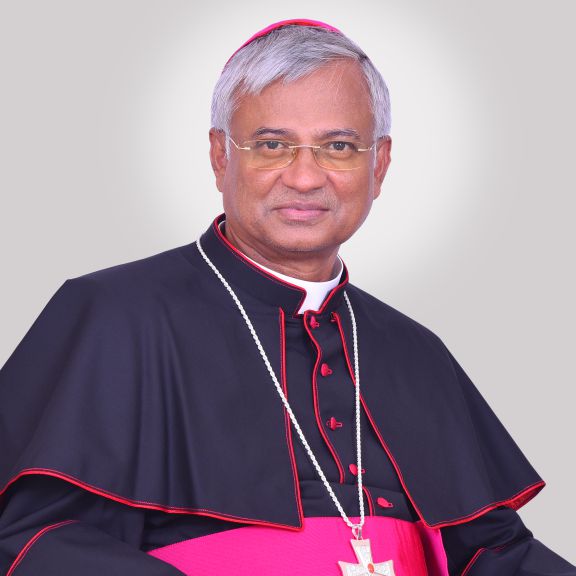
Welcome to Our Apostolic Administrator
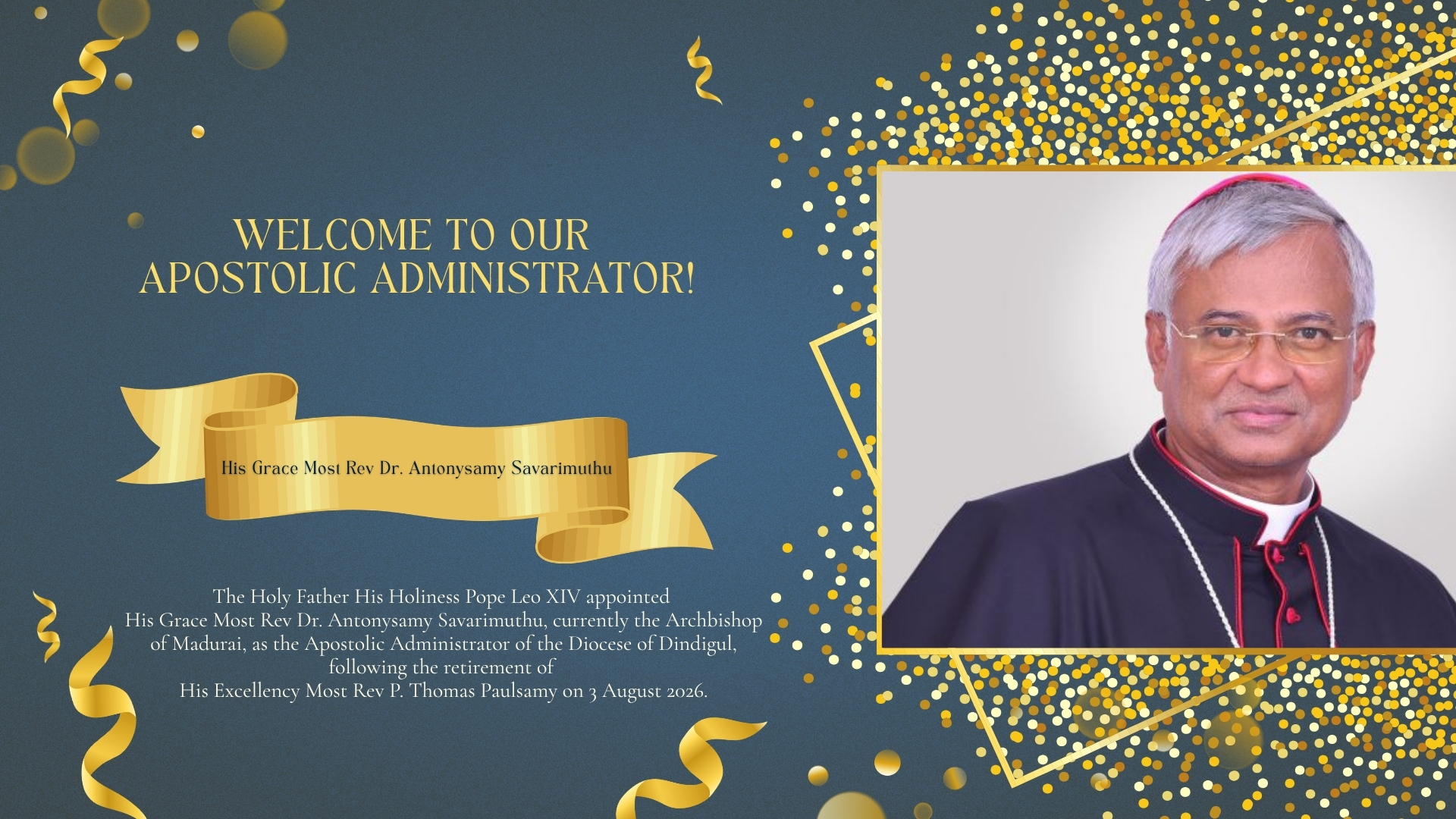
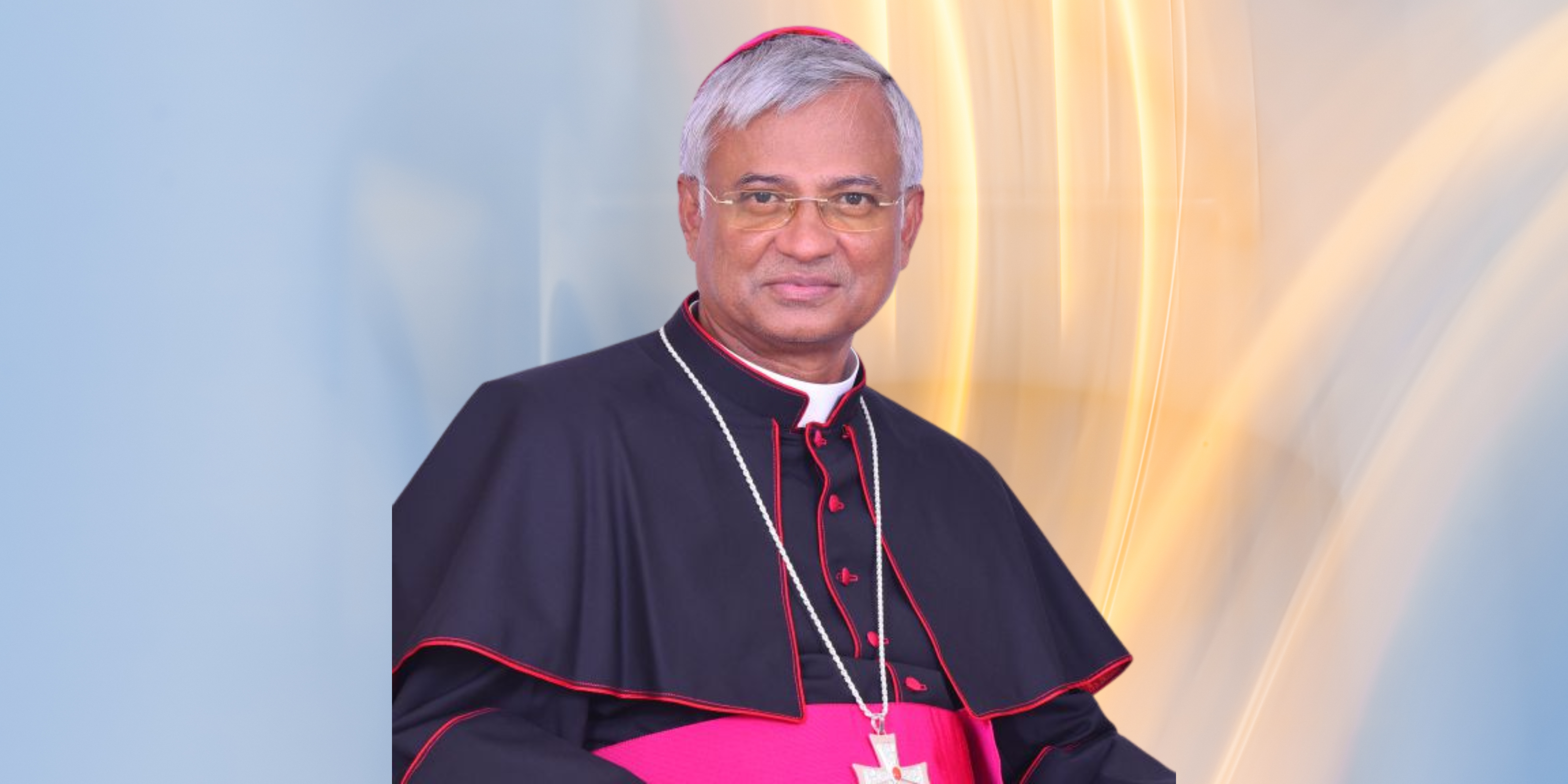
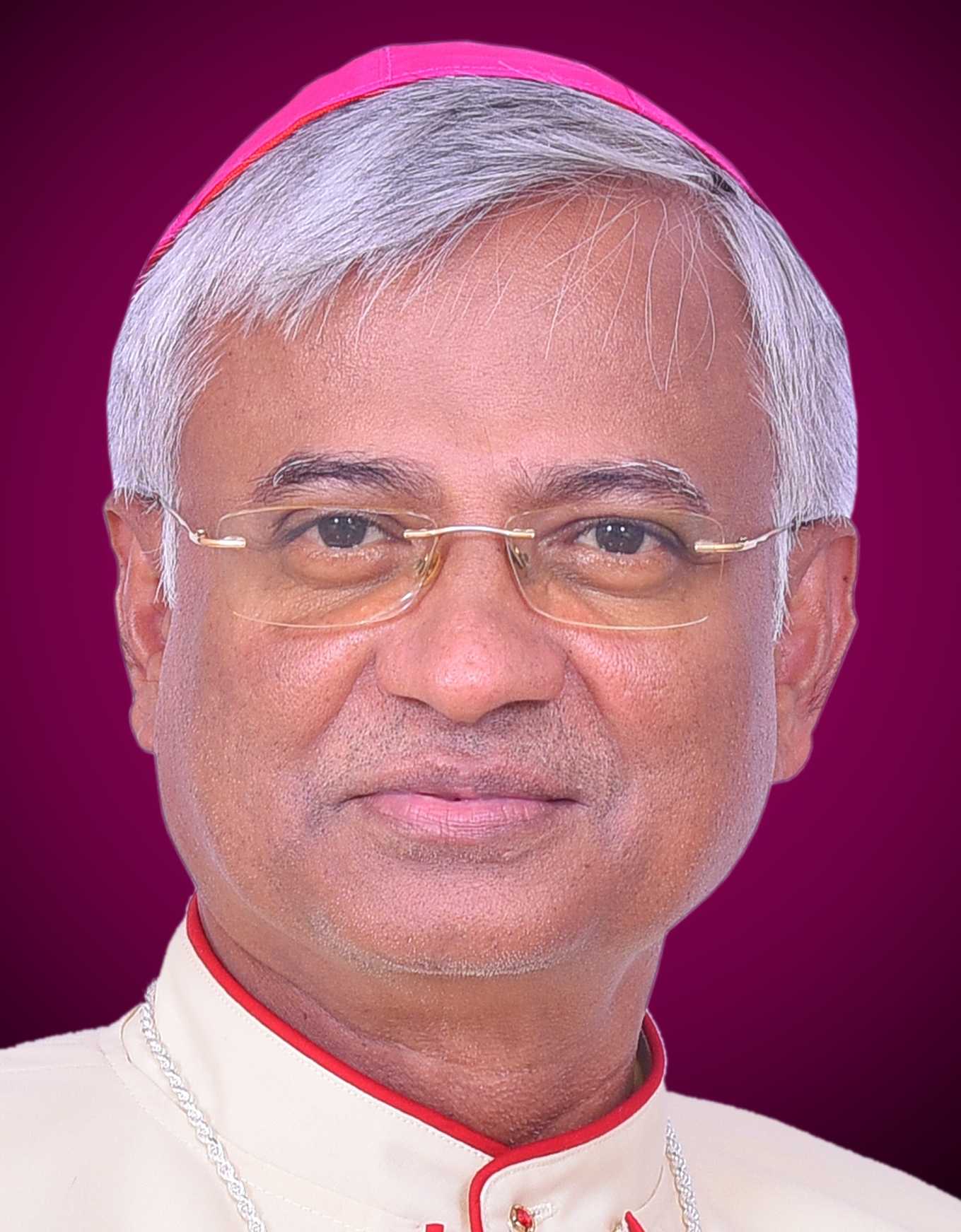
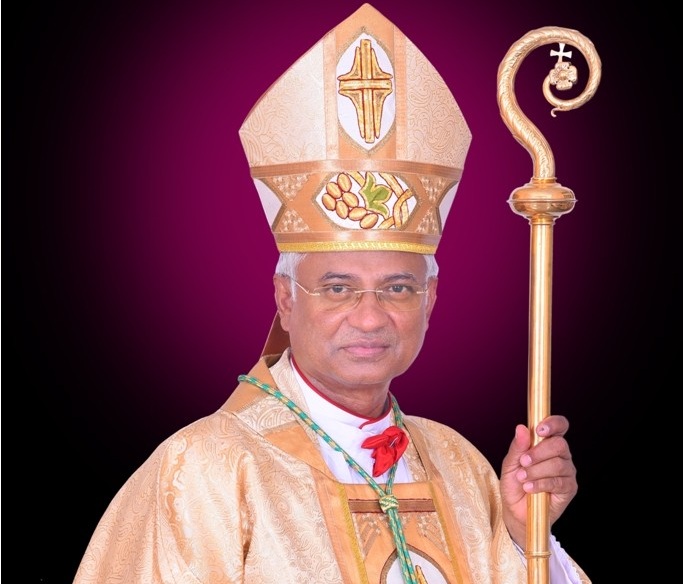
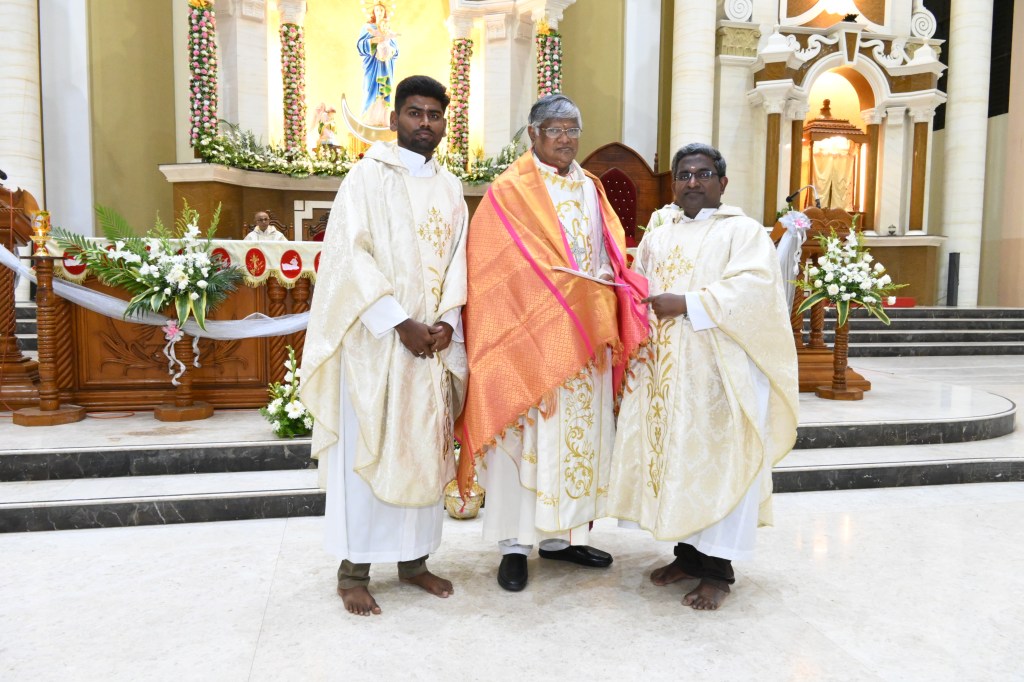
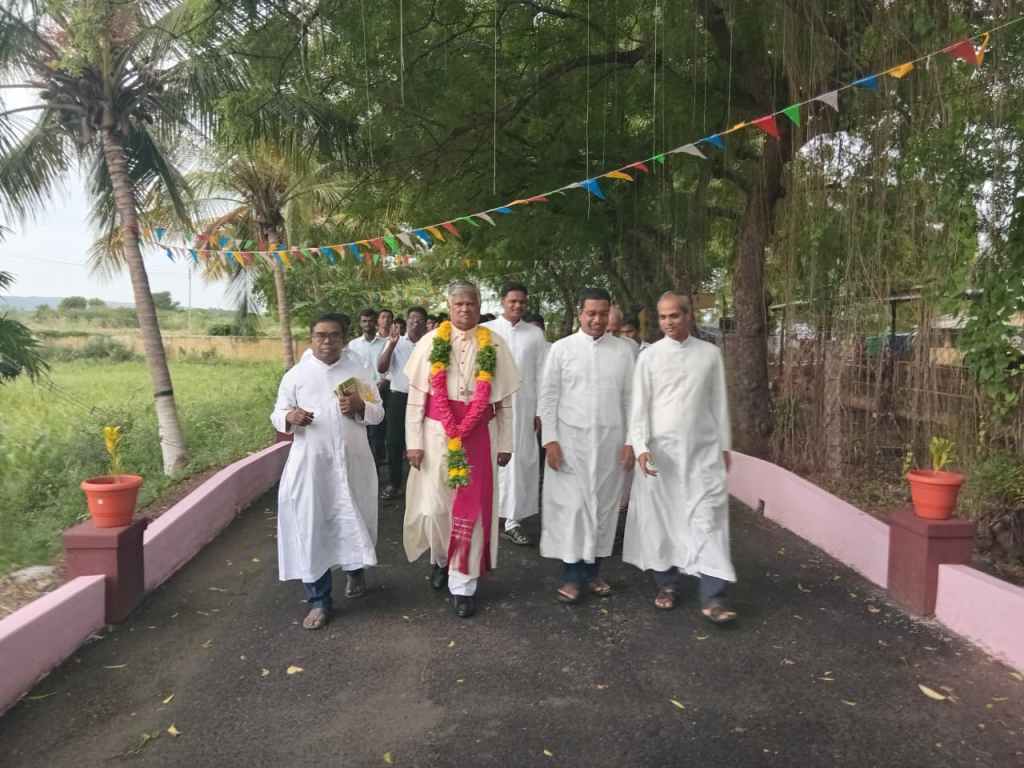
His Grace Most Rev Dr. Antonysamy Savarimuthu
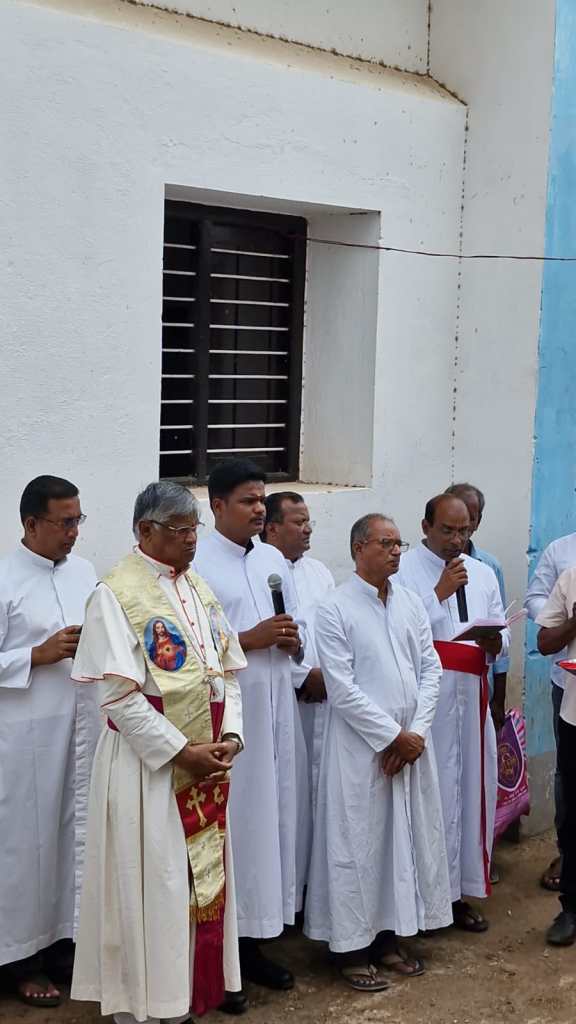
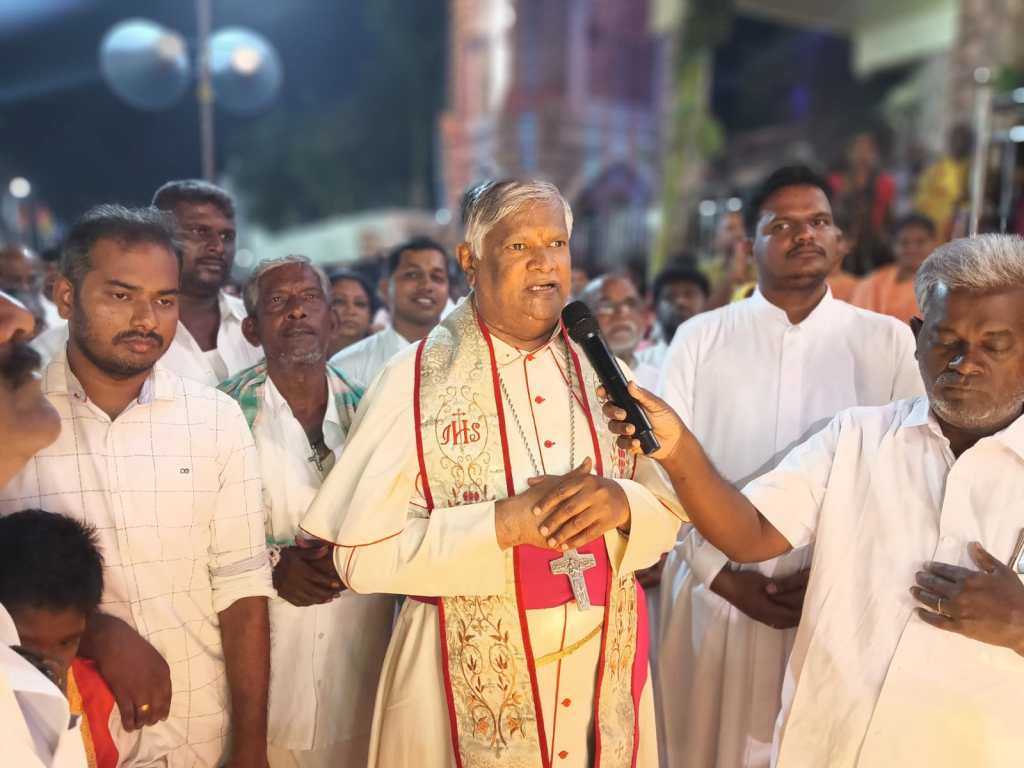
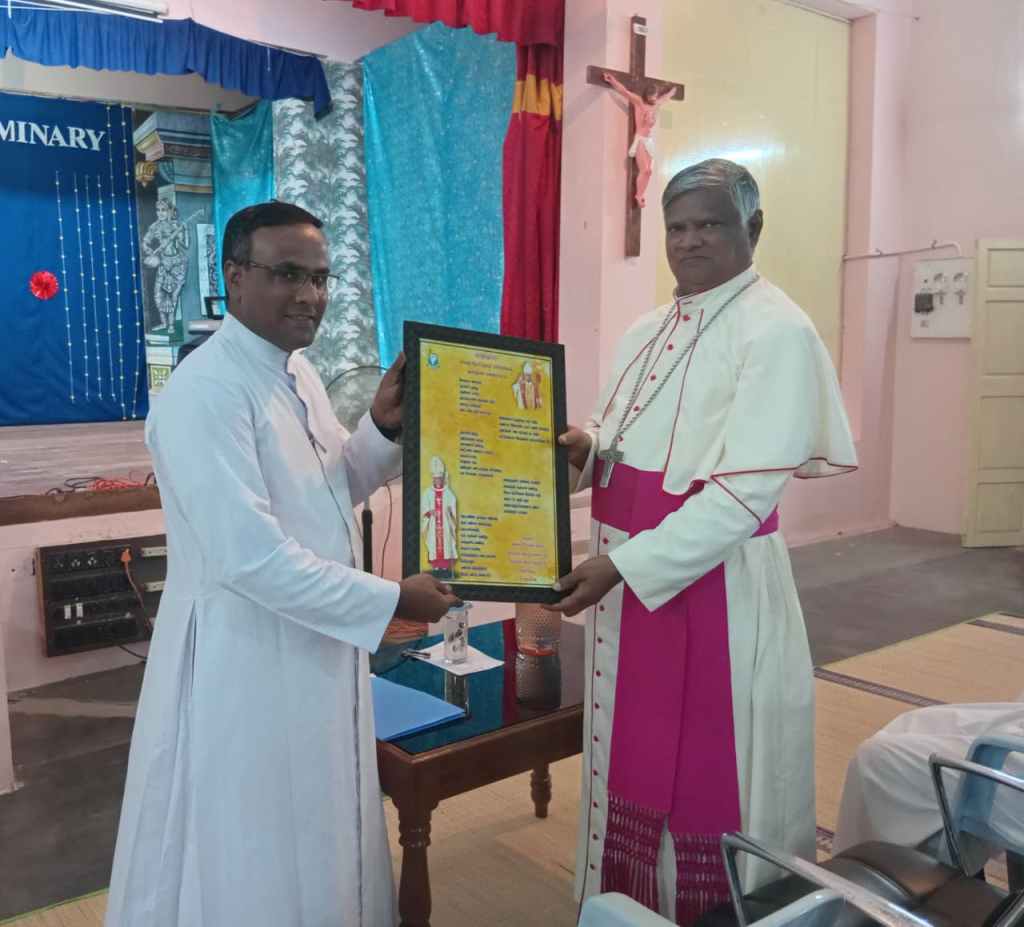
The Holy Father His Holiness Pope Leo XIV appointed His Grace Most Rev Dr. Antonysamy Savarimuthu, currently the Archbishop of Madurai, as the Apostolic Administrator of the Diocese of Dindigul, following the retirement of His Excellency Most Rev P. Thomas Paulsamy on 3 August 2026.
Born on December 8, 1960, in Vadakku Vandanam, a village in Tuticorin district of Tamil Nadu, Archbishop Antonysamy Savarimuthu completed his early schooling in his native region.
Read More…
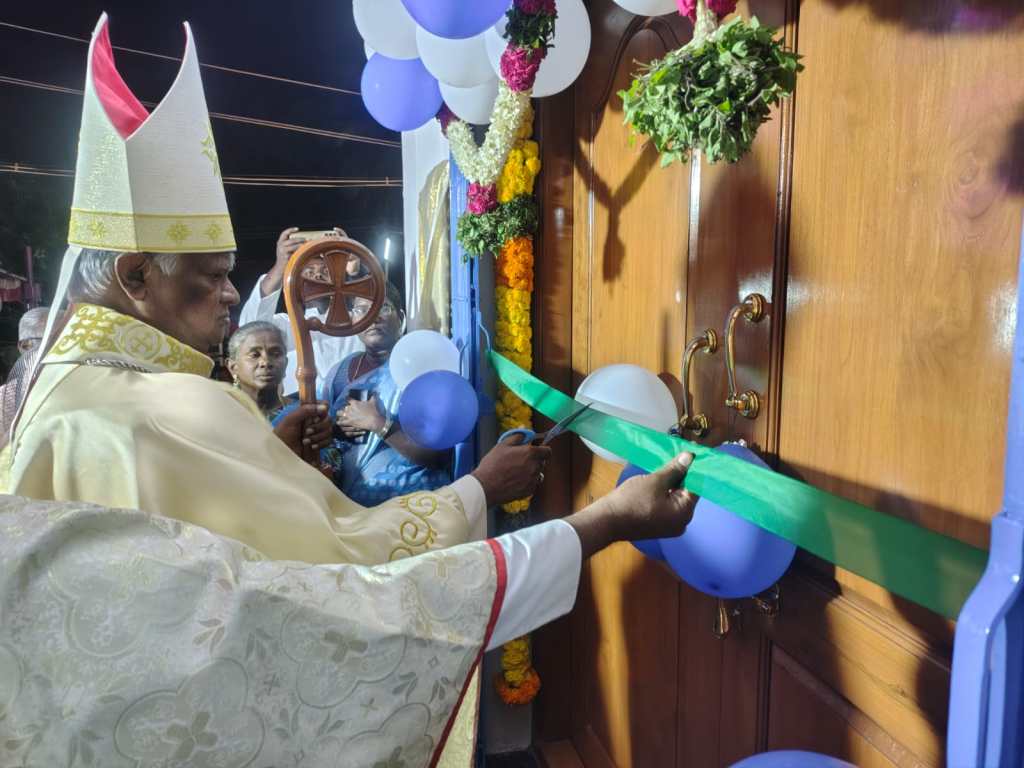
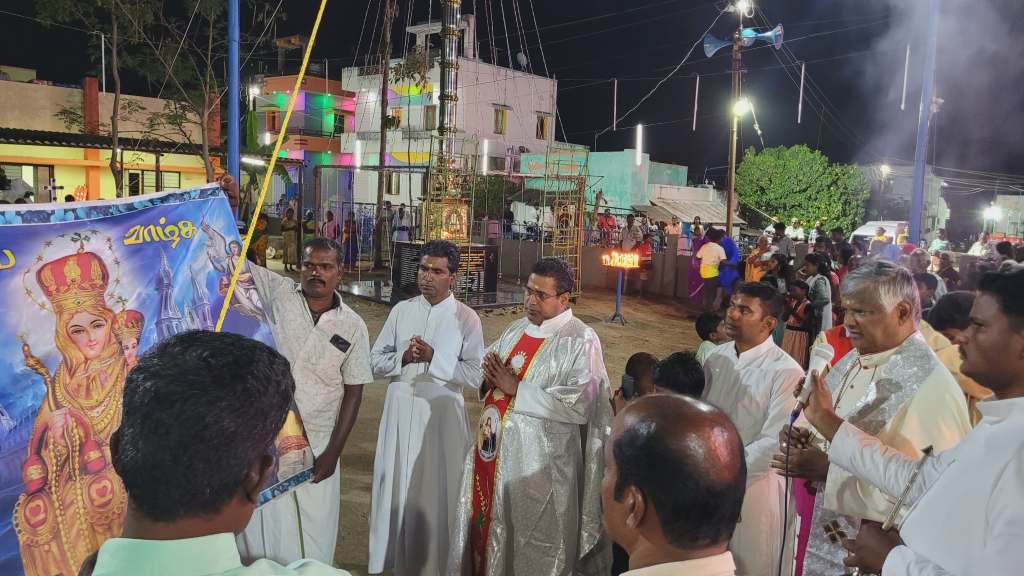
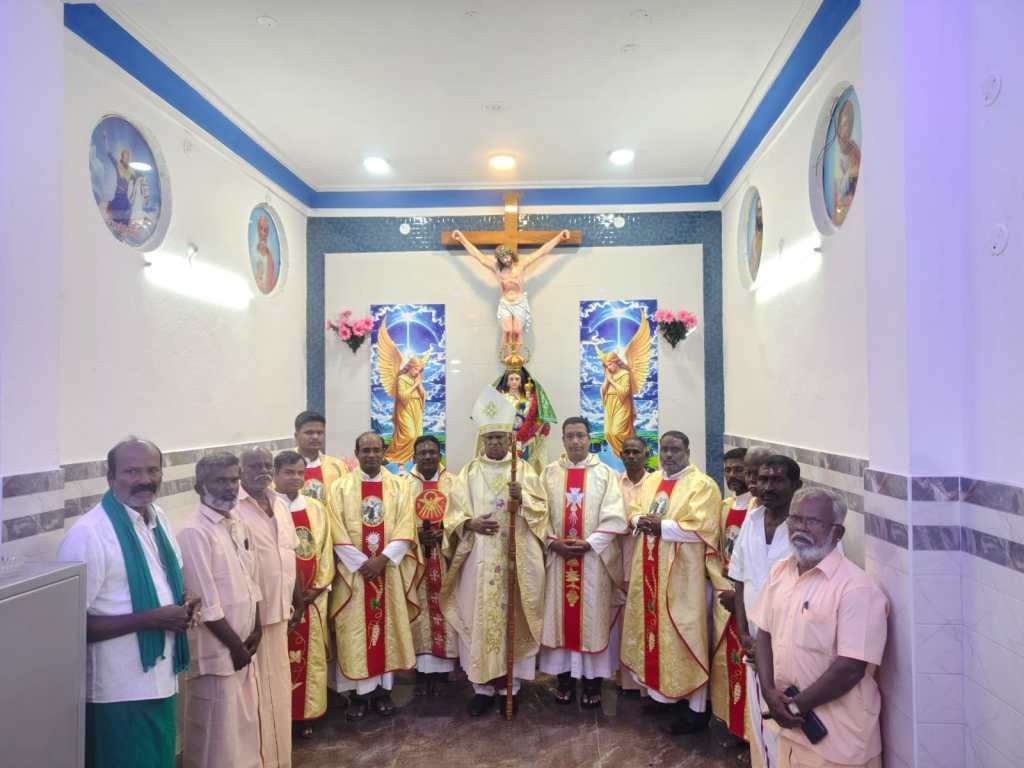
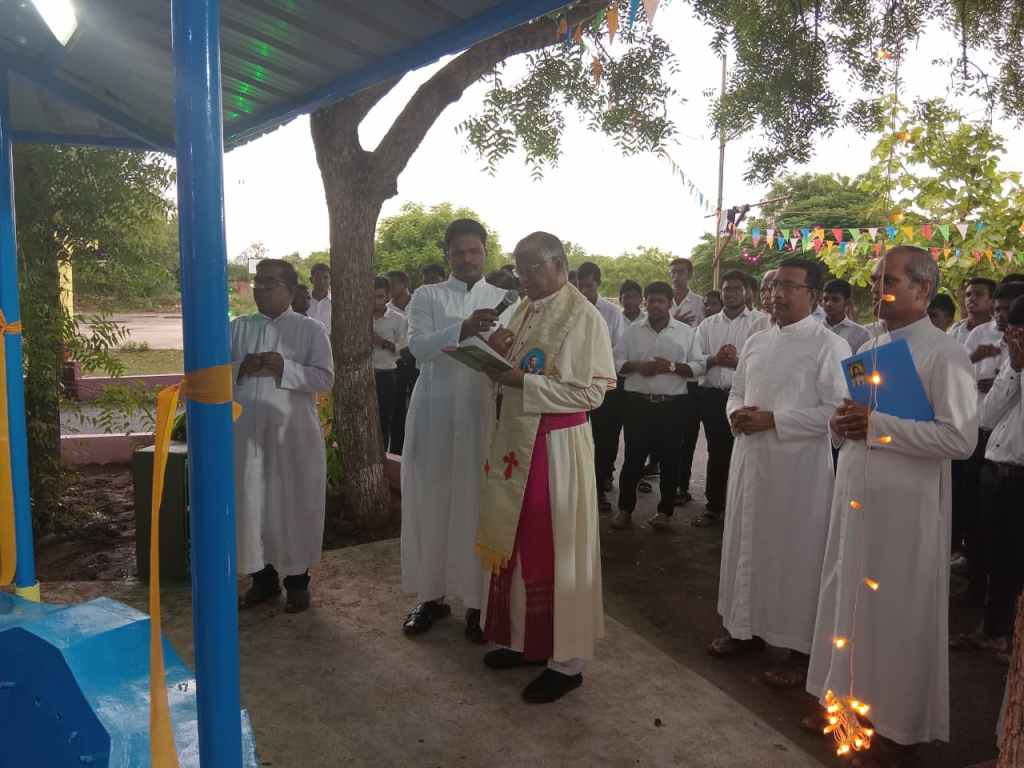
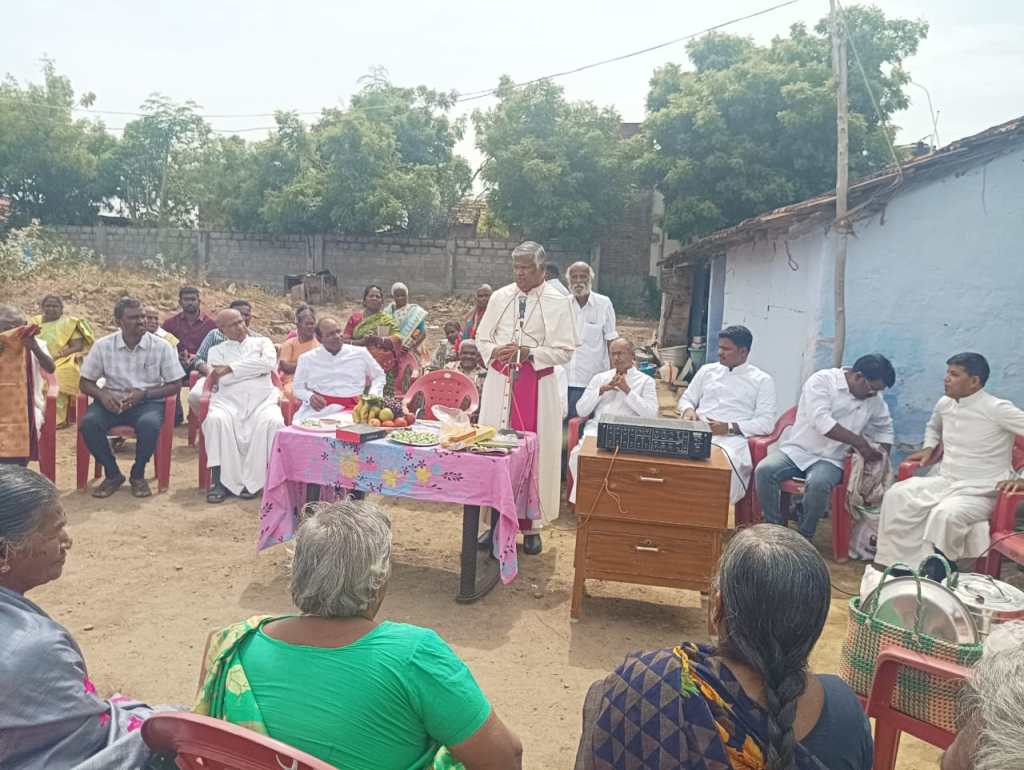
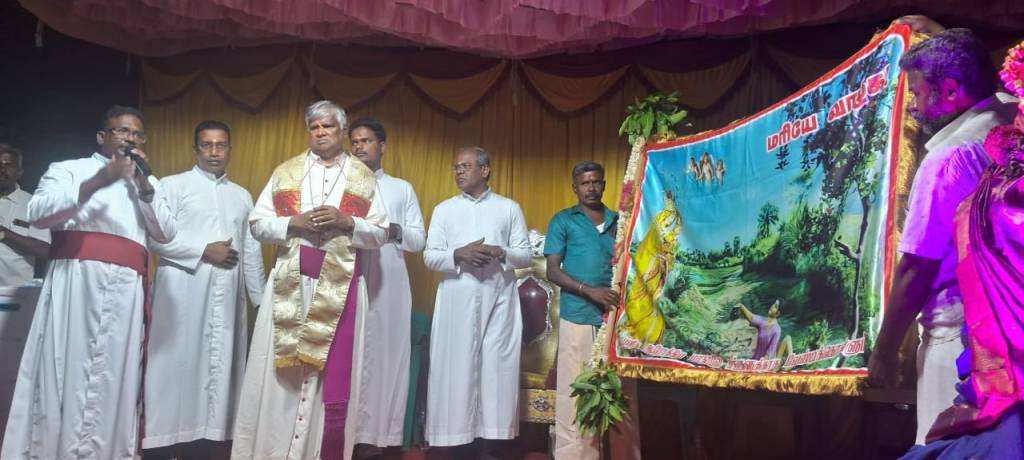
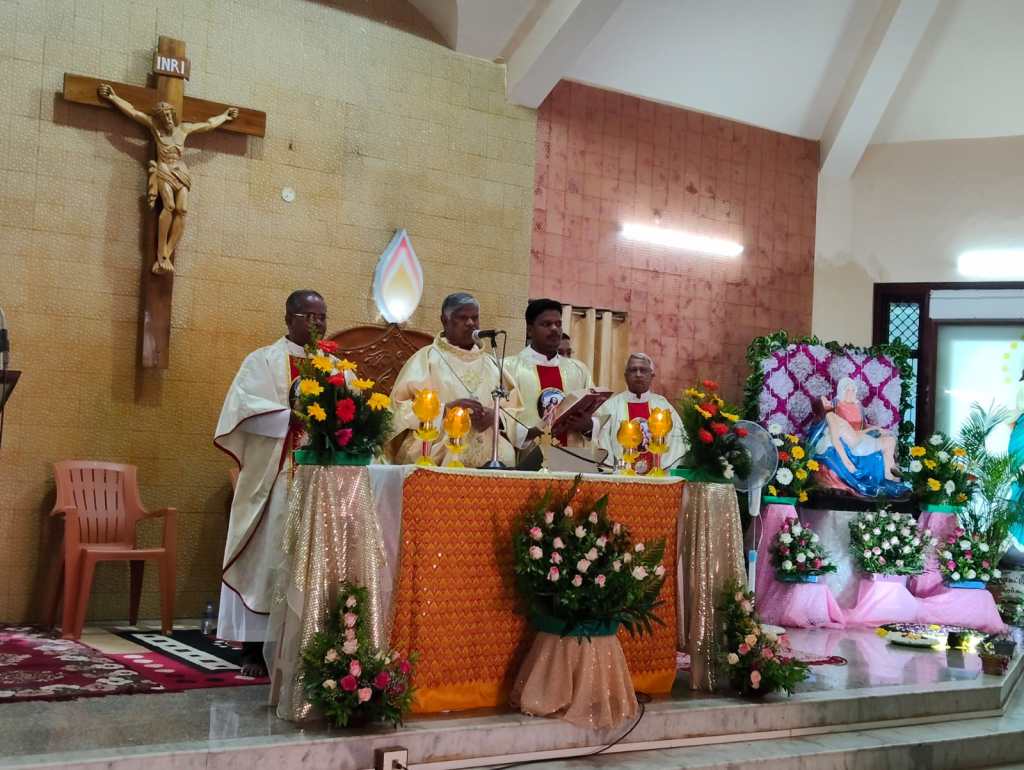
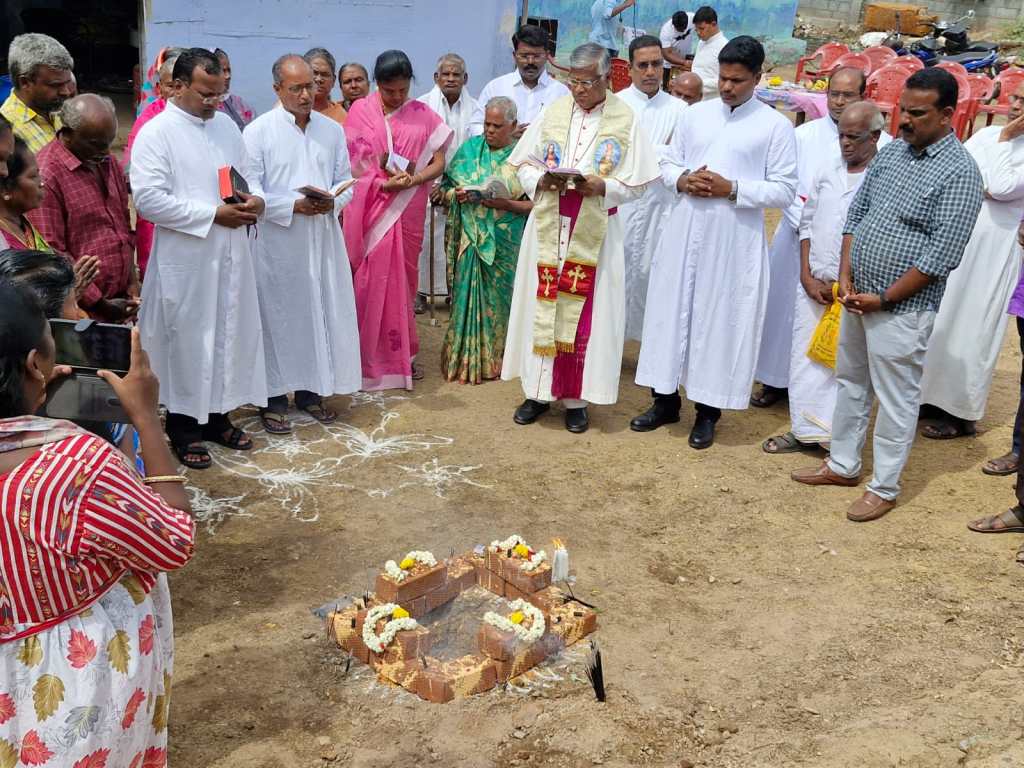
Message of the Month
October 2026
Apostolic Administrator’s Message for Newsletter –
October 2026
One in Christ, United in Mission
Dear Rev. Fathers, Sisters, Brothers, and my dear Lay Faithful of the Diocese of Dindigul,
Greetings of peace and joy in the precious name of our Lord Jesus Christ!
1. World Mission Day 2026
Every year, the Church celebrates World Mission Day to renew in all the faithful the missionary zeal that flows from our baptism. This year is special, because World Mission Day marks its 100th anniversary. Our Holy Father Pope Leo XIV has chosen the theme: “One in Christ, united in mission.”
This theme reminds us that mission begins with our union with Christ. We are one in Christ before we are sent in mission. Only when we remain united with Him can our words, ministries, institutions, and pastoral efforts bear lasting fruit. Jesus prayed, “May they all be one” (Jn 17:21), so that the world may believe. Christian unity is therefore already missionary.
2. A Brief History and Purpose
World Mission Day was established by Pope Pius XI in 1926, at the suggestion of the Society for the Propagation of the Faith. Its purpose is to remind the whole Church of her missionary responsibility. Mission is not entrusted only to priests, religious, or missionaries in distant lands. It belongs to every baptized person.
Through prayer, sacrifice, formation, and material support, the faithful participate in the mission of the Universal Church. The offerings collected on World Mission Day support mission territories, young Churches, seminaries, catechists, schools, health centres, and pastoral works in many parts of the world. Thus, even a small contribution, when given with love, becomes a sign of missionary communion.
3. United in Mission
To be one in Christ means that Christ must be at the centre of our personal life, family life, parish life, and diocesan life. Without prayer, the Word of God, the Eucharist, confession, and charity, mission becomes mere activity.
To be united with one another means that priests, religious, lay faithful, catechists, youth, parish councils, finance councils, associations, and Anbiams must walk together. Each one has a gift, a responsibility, and a place in the Church.
To be united in mission means that the Church does not exist for herself. She exists to proclaim Christ and witness to God’s love. When we care for the poor, educate children, accompany the sick, visit the lonely, protect the vulnerable, promote peace, and defend human dignity, we share in the mission of Christ.
4. The Mission of the Diocese of Dindigul
The Diocese of Dindigul is blessed with committed clergy, dedicated religious, active catechists, generous lay faithful, and many pastoral, educational, social, and charitable initiatives. This local Church has grown through the sacrifices of missionaries, bishops, priests, religious, catechists, families, teachers, and ordinary faithful.
Today, we are called not only to preserve this inheritance, but also to renew it. There are still families that need accompaniment, children who need formation, youth who need direction, the poor who need dignity, the sick who need consolation, and communities that need continued pastoral care.
In this period of waiting and discernment for the future of the Diocese, let us remain united in prayer, communion, and mission. A missionary Diocese is one where every parish becomes alive, every institution becomes evangelical, and every faithful person feels responsible for the Gospel.
5. Parishes as Missionary Communities
I invite all parishes of our Diocese to celebrate World Mission Day 2026 with enthusiasm, creativity, and pastoral seriousness. Let it not be reduced to a routine annual collection. Let it become a day of prayer, awareness, participation, and missionary renewal.
Let homilies, catechism classes, youth meetings, children’s programmes, parish councils, religious communities, and Anbiams reflect on this year’s theme. Let us pray for missionaries who have left their homes, families, language, and culture to proclaim Christ. Let us also pray for missionary vocations from our own families and parishes.
The mission collection must be presented with faith and responsibility. It is not merely a donation. It is our participation in the mission of the Universal Church.
6. Families, Youth, and Institutions in Mission
I encourage families to become missionary homes. Mission begins when parents teach children to pray, when families read the Word of God, when forgiveness is practised, and when the poor are remembered.
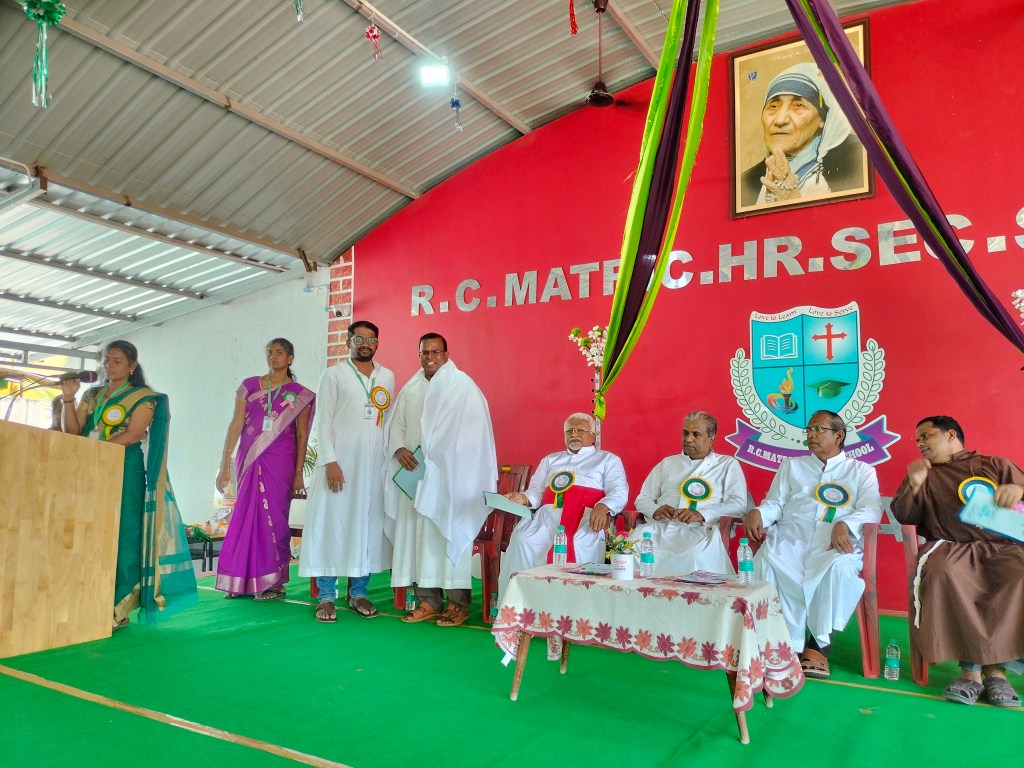
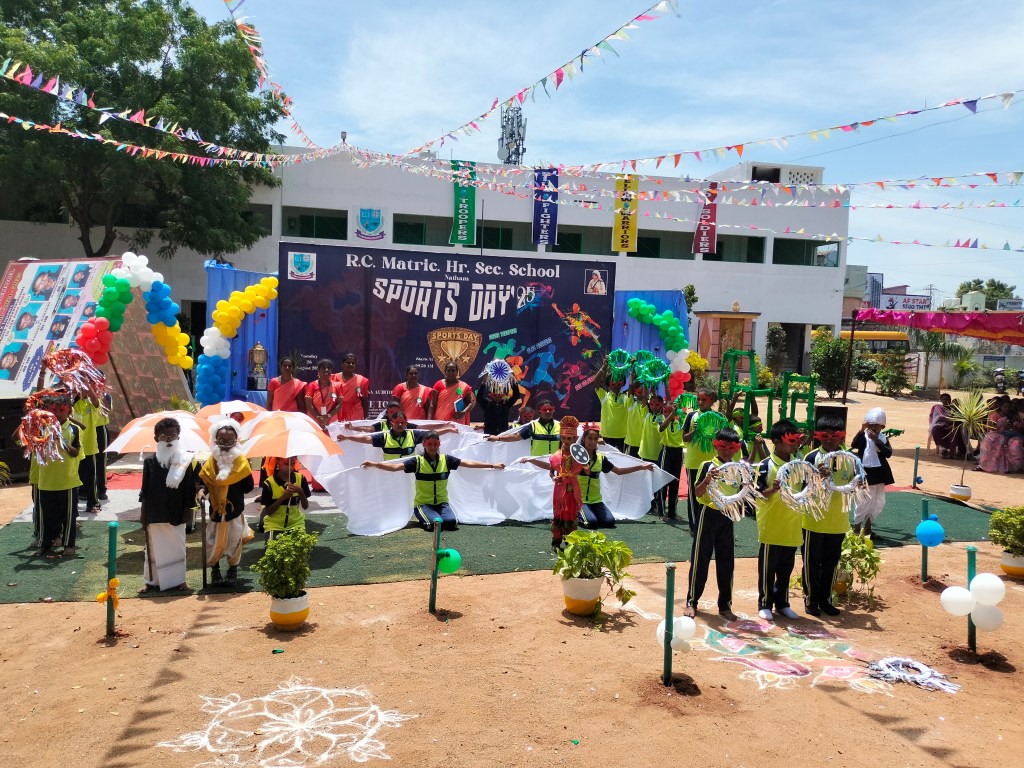
I encourage our schools and colleges to form children and young people in a missionary spirit. Catholic institutions must continue to be signs of the Gospel through education, health care, social service, and human formation.
The missionary spirit enlarges our hearts. It teaches us to think with the Universal Church, to pray for communities we may never meet, and to support the mission of the Church beyond our own boundaries.
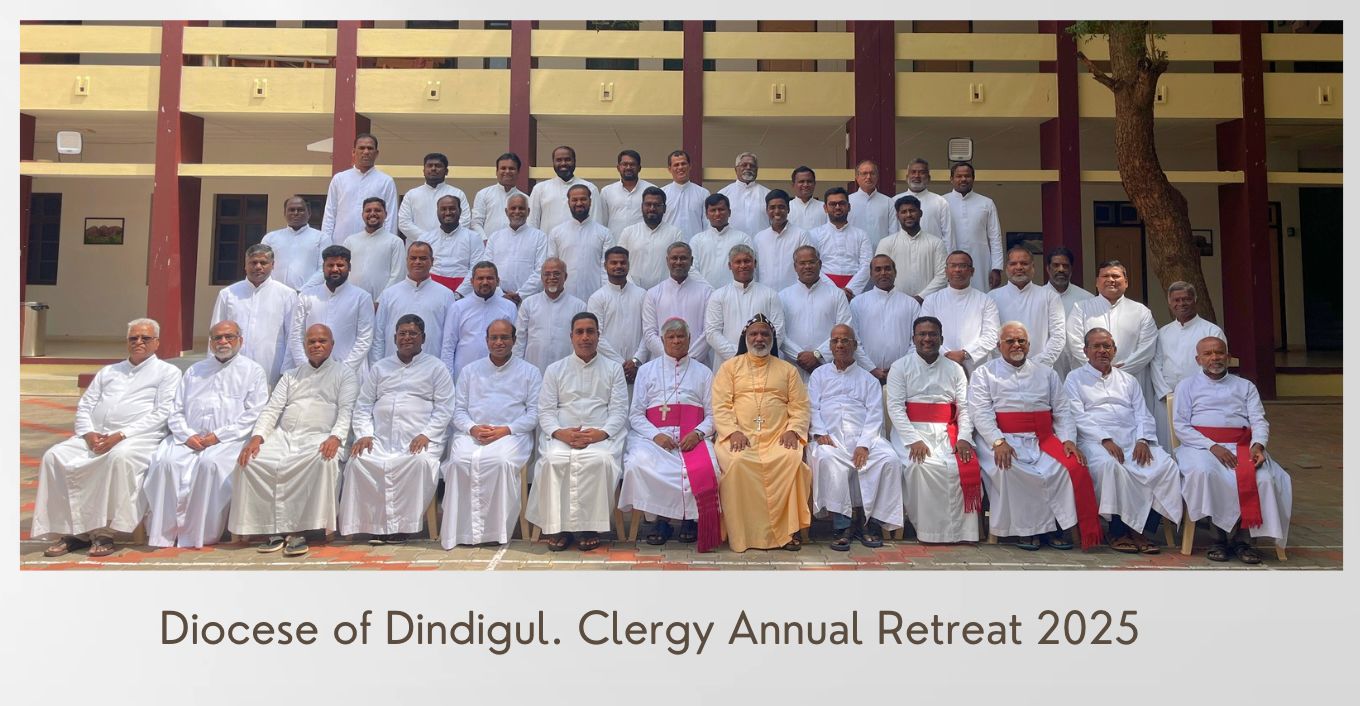
7. Annual Retreat of Our Priests
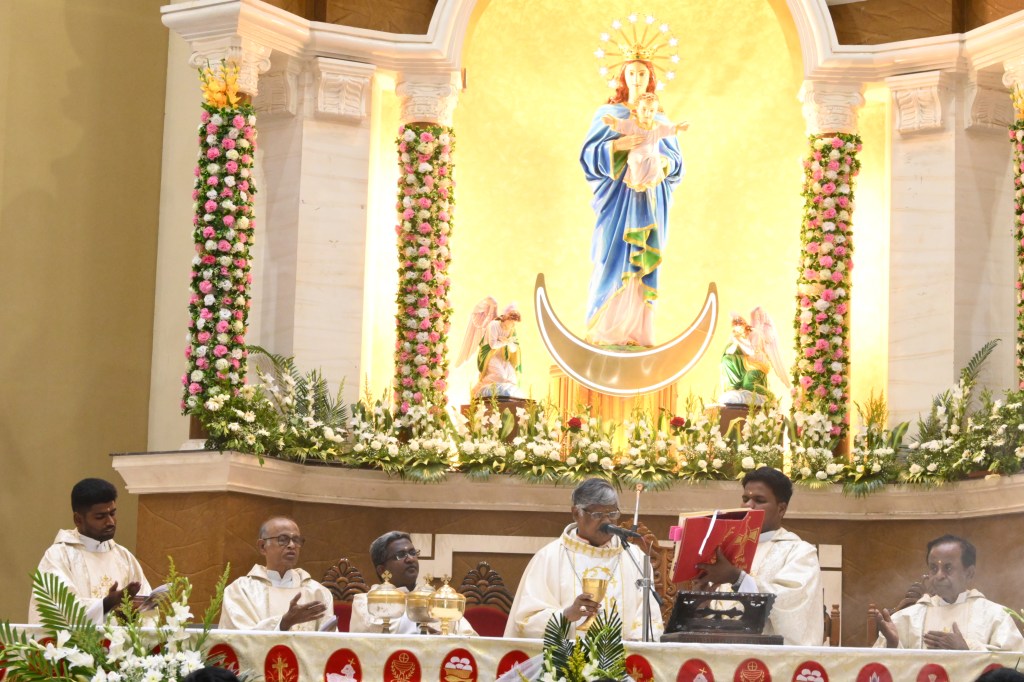
This month, the priests of our Diocese will make their annual retreat. I invite all the faithful to pray for them in a special way. A priest’s retreat is a privileged time of grace, renewal, conversion, and deeper union with Christ the Good Shepherd.
May this retreat help our priests become prayerful, humble, compassionate, and courageous. May it renew in them the joy of their vocation and form them as religious leaders who imitate Christ — serving rather than dominating, listening rather than commanding, healing rather than wounding, and guiding God’s people with the heart of the Good Shepherd.
8. Let Every Heart Become Missionary
As we celebrate World Mission Day 2026, let us renew our baptismal commitment. Let every parish become missionary. Let every family become missionary. Let every institution become missionary. Let every heart become missionary.
May Mary, Star of Evangelization, accompany all missionaries and intercede for the Diocese of Dindigul. May the Holy Spirit make us truly one in Christ and united in mission.
With my prayers and blessings,
+ Most Rev. Dr. Antonysamy Savarimuthu
Archbishop of Madurai
Apostolic Administrator of Dindigul
Diocese Profile

- Type of Jurisdiction: Diocese
- Erected on 10 November 2003
- Metropolitan: Archdiocese of Madurai
- Rite: Latin (or Roman)
- Country: India
- Square Kilometers: 6,267 (2,420 Square Miles)
- Total Population: 2.44 million (2024)
- Catholics: 156,308 (2024)
- First Bishop: Rt. Rev. Antony Pappusamy (10 November 2003 to 26 July 2014, Appointed Archbishop of Madurai)

✓
Faith
We prioritize faith as it informs our worship, prayer life, and theological understanding, allowing us to grow in holiness and share the message of Christ’s love with others.
✓
Unity
Unity is a cornerstone of our diocesan community, emphasizing our commitment to coming together as one Body of Christ, transcending differences of background or perspective
✓
Compassion
Compassion is central to our diocesan identity, compelling us to show empathy, mercy, and care to those in need, mirroring Christ’s love for the marginalized and suffering.
✓
Mission
Mission motivates us to be salt and light in the world, addressing the spiritual and material needs of individuals and communities, and fulfilling the Great Commission given by Jesus to His disciples
“Saint Anthony,
your intercession has been a guiding light in my darkest moments, and your miracles have filled my life with hope and faith“
Sarah from Pune, Maharashtra, India
Reach Us:
Feel free to reach out to us anytime. Your questions, thoughts, and feedback are valuable to us.
We’re here to listen and assist in any way we can.
Address:
Bishop’s House,
Valan Nagar,
P.O. Box 6, Mullipadi P.O.,
Dindigul 624 005, Tamil Nadu, India
Telephone: +91 73052 31507
Email: dgldiocese@yahoo.co.in bishopthomaspaulsamydgl@gmail.com
© 2026. Diocese of Dindigul. All rights reserved.
Developed by Yesni Prays.

